A kitchen that takes orders while it cooks
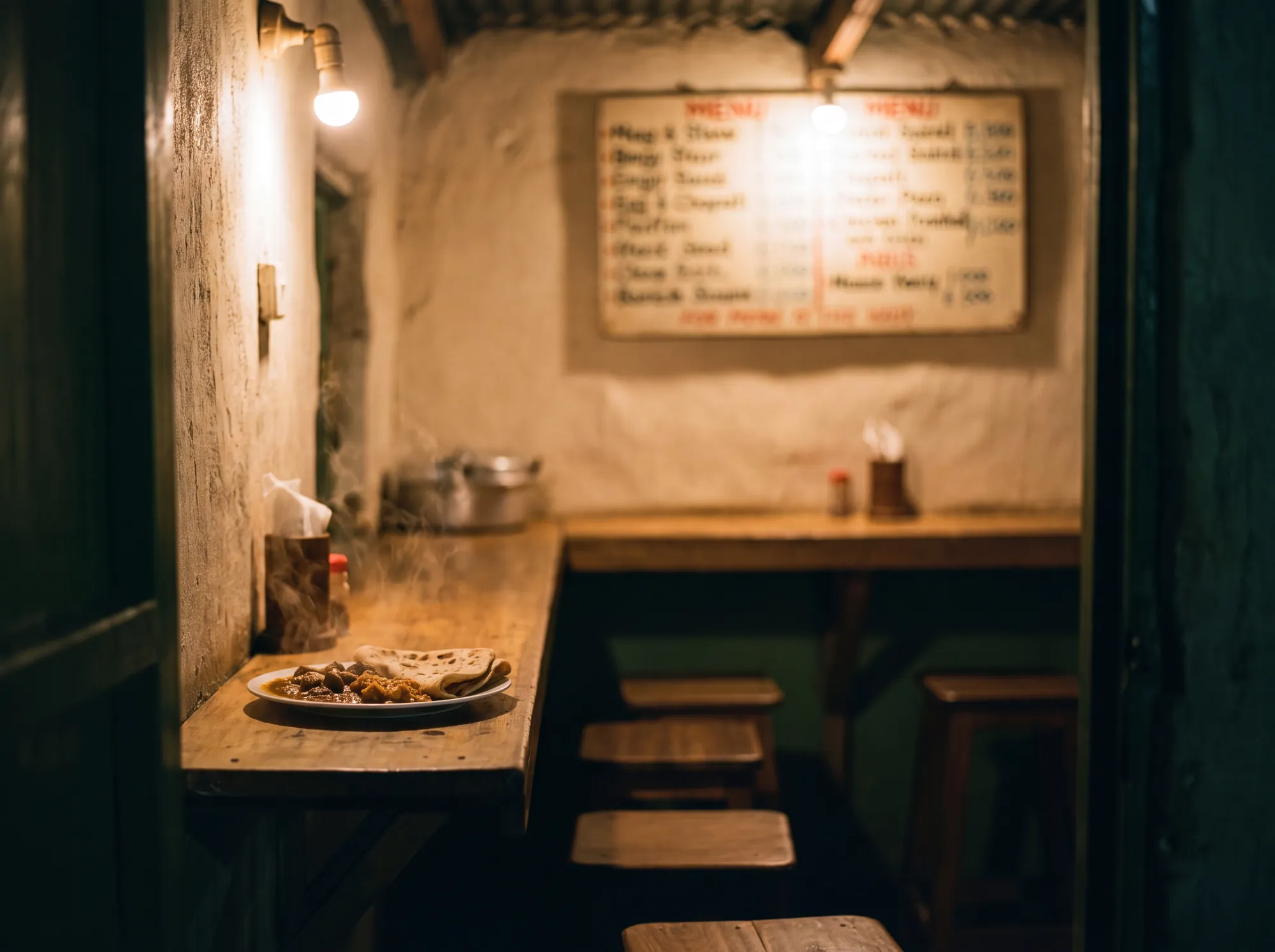
A menu and ordering surface for a quick-service kitchen in Ruaka, built to be usable on a cheap phone over a patchy connection.
- Client
- Mi Gusto
- Sector
- Hospitality
- Year
- 2026
- Status
- Live
What we built, and why it is shaped that way.
Scope
- Menu and pricing structure
- Mobile-first ordering surface
- Static rendering for low-bandwidth delivery
- Design system and brand application
The problem
Mi Gusto took orders across a counter, a phone and a WhatsApp thread. The menu lived on a hand-painted board, prices moved with the market, and delivery orders arrived as free text that somebody had to interpret while cooking. Nothing was wrong with the food; the intake was the bottleneck.
What we did
We started from the phone the customer actually holds. The whole surface is static-rendered and cached, so the menu opens on a weak connection and stays readable when the connection drops entirely. Prices are structured rather than painted, so a change is one edit instead of a repaint. Orders leave as structured messages the kitchen can read at a glance mid-service.
Where it stands
Mi Gusto now has a single canonical menu, a delivery flow that does not depend on interpreting free text, and an ordering page that loads in the estate's real network conditions. It is the first system we have put into daily commercial use.
Your operation is messier than a kitchen. That is fine.
The method is the same at every scale: watch how the work really moves, automate the expensive parts, and hand back something your team can run.
Nairobi, Kenya · replies within two working days